Memories of Malta
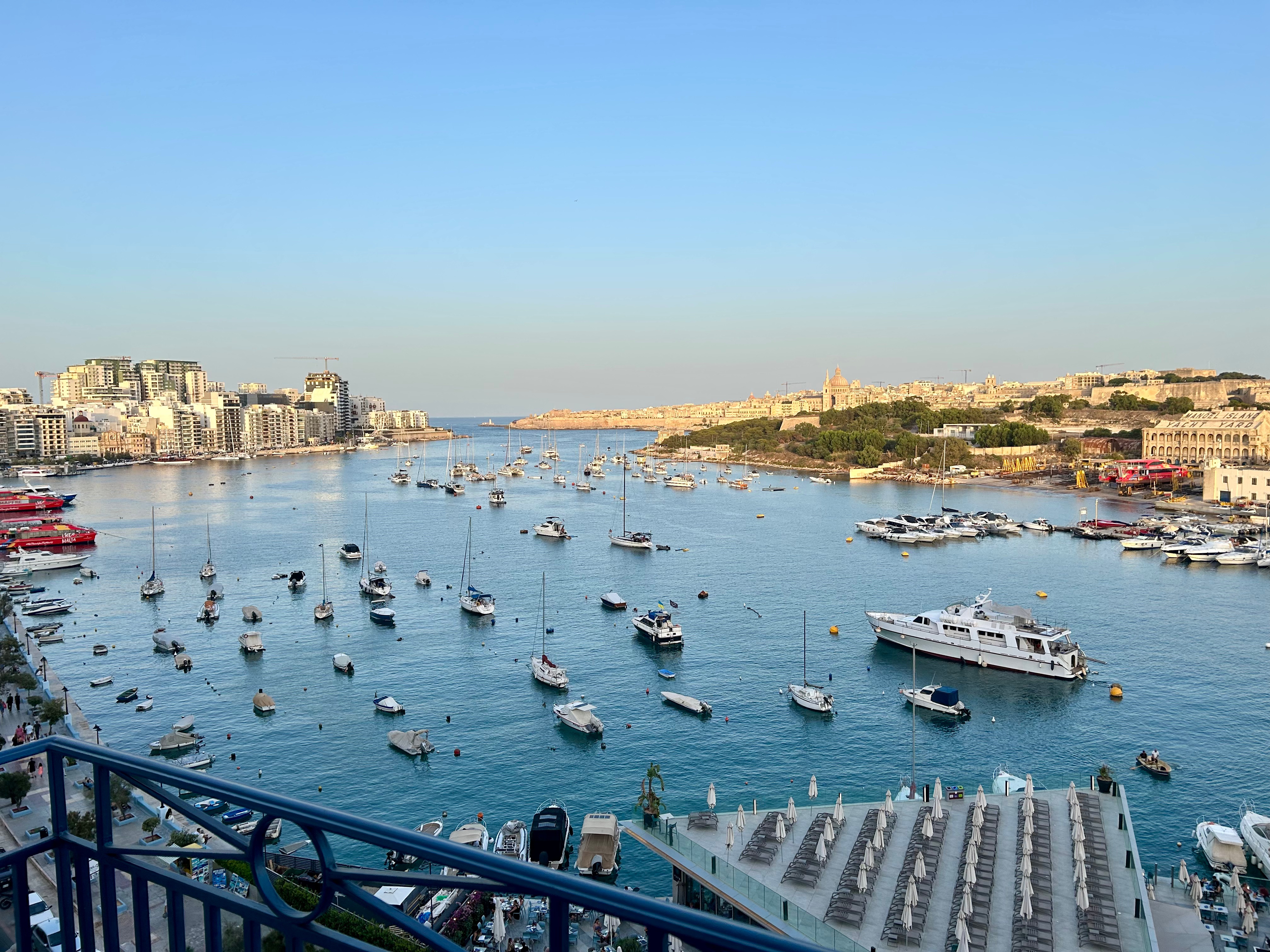
Malta had been on my hit list for a while. For too many years at my yearly Eurovision party, I rolled out Maltesers to represent Malta (cute but inherently untrue) or pastizzi (delicious but predictable).
I knew there had to be more to Maltese cuisine.
This tiny island country is roughly the size of Kos (Greece) or the Isle of Wight (UK). It’s only 90 minutes from Sicily but feels completely different. The language is a love child of Arabic and Italian and while you definitely feel like you’re in the Med, the sandstone architecture is more reminiscent of the UK.
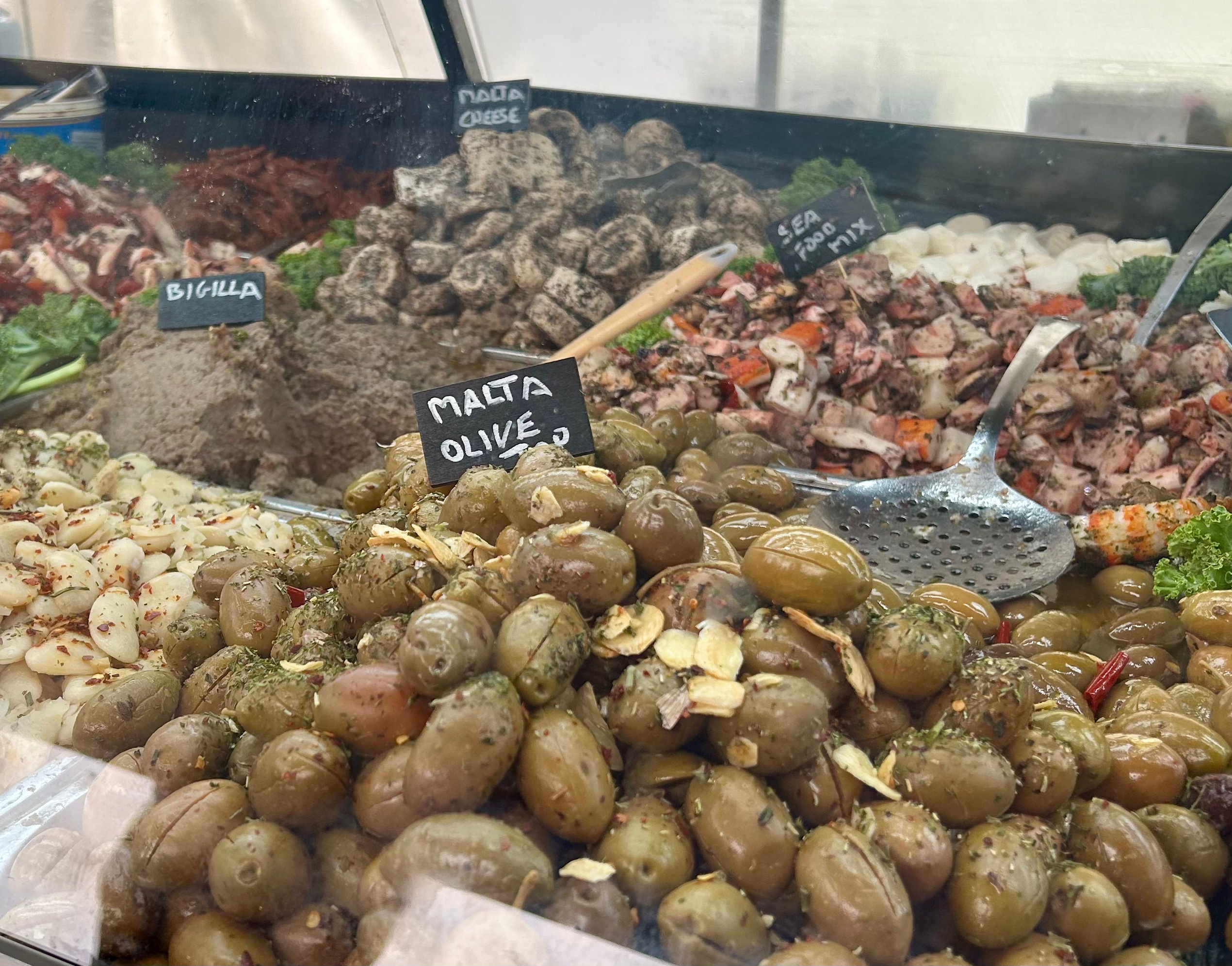
The island remains a mishmash of the preceding cultures that colonised it; Roman, Arabic, French and British. And the food is a similar mish mash of local produce overlayed with European (especially Italian) and North African influences.
These were my Maltese culinary highlights.
Rabbit
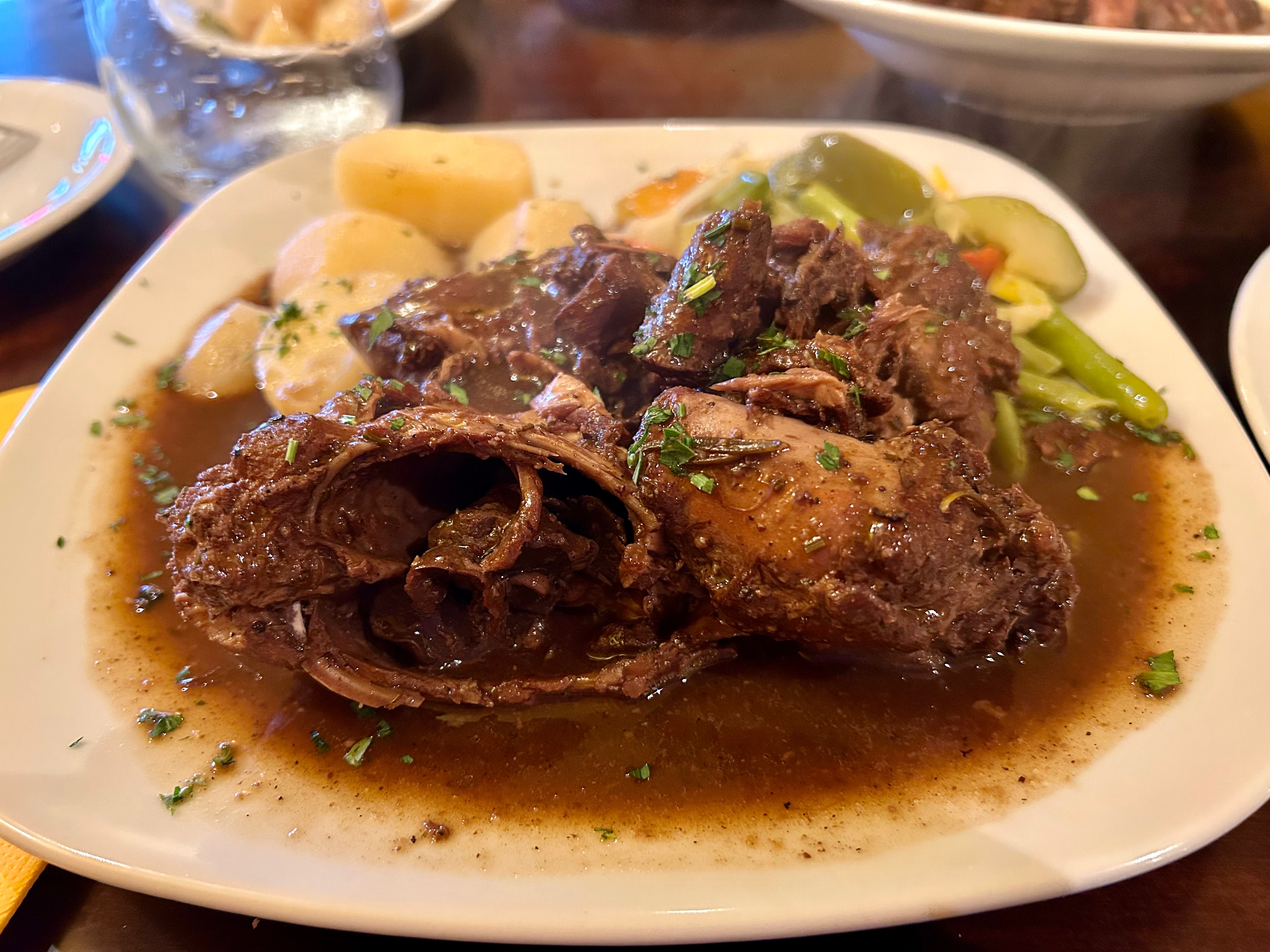
Rabbit stew or stuffat tal-fenek is often considered Malta’s national dish. Pieces of rabbit are slow-cooked in a red wine and tomato sauce with heady spices and vegetables until the meat falls off the bone. This dish has a subtle sweetness that comes from the cloves, nutmeg and cinnamon used in the spice mix. It reminded me a little of Greece’s stifado, minus the sweetness, which can be made with rabbit or beef.
The Maltese are fussy about their rabbit – after all they consume more rabbit than any other European nation. The rabbit has to be Maltese, male and farmed; wild rabbits are too muscular and therefore too tough.
Fish
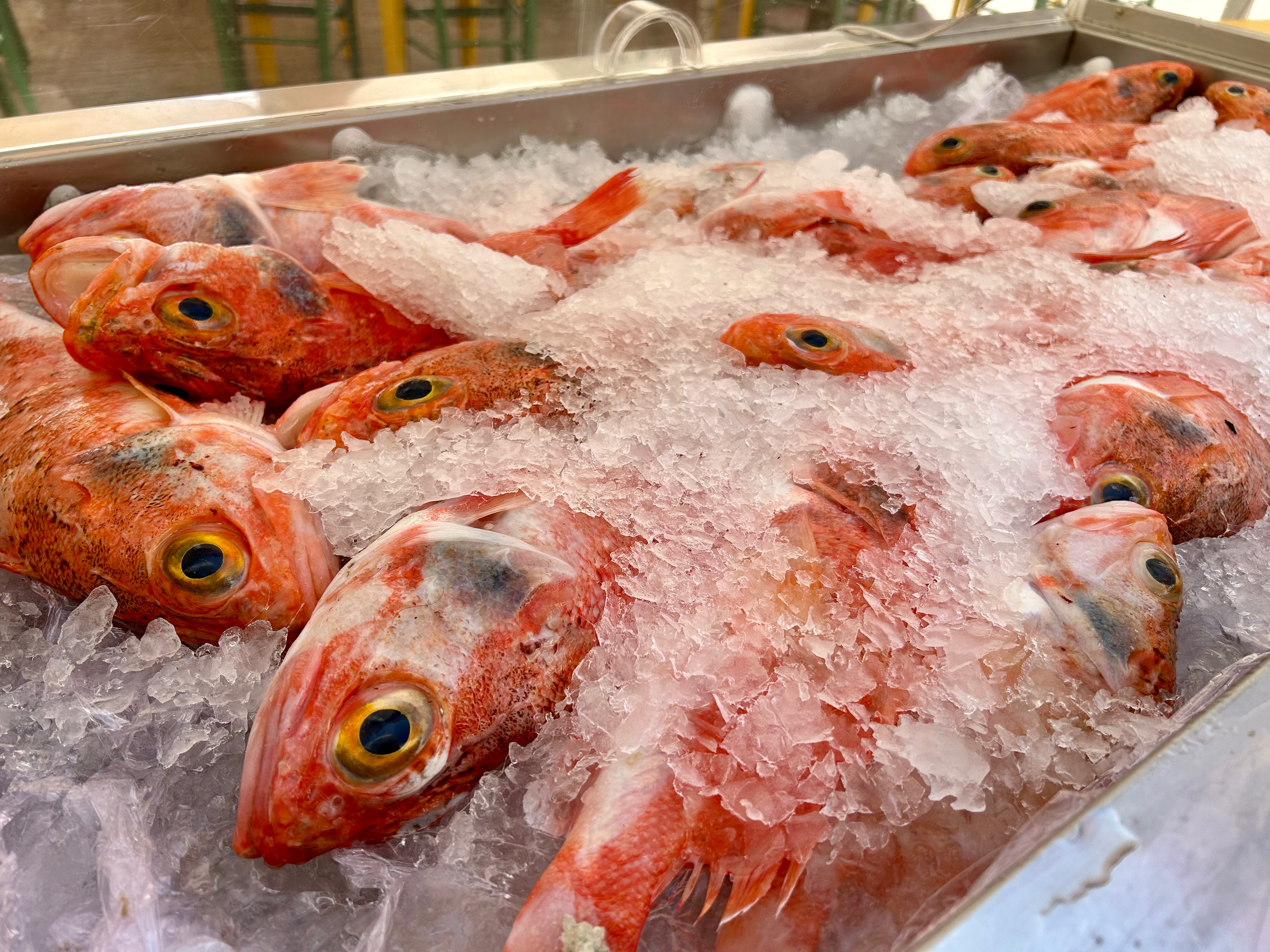
It’s no surprise that a tiny island in the glittering waters of the Med would lean heavily on the bounty of the sea surrounding it. Fishing is big business in Malta and almost every restaurant will showcase local fish on its menu. Lampuki (mahi mahi) is known as the national fish while tuna is also popular. Many restaurants let you select your fish and then cook it to order.
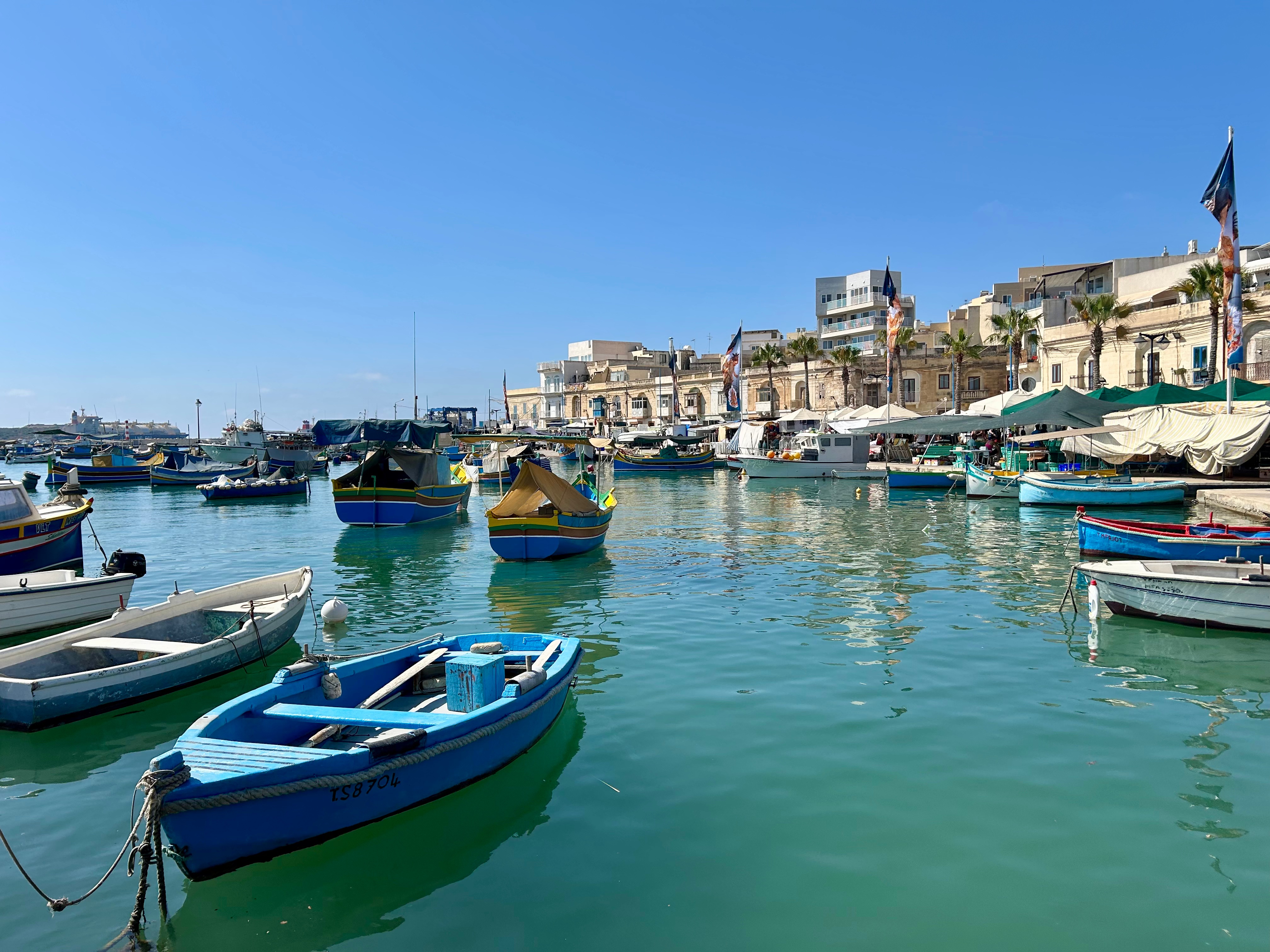
One village is completely dedicated to the art of fishing – Marsaxlokk – with its picturesque brightly painted fishing boats. Its Sunday market is popular with locals and visitors and includes a long line of stands spruiking the day’s fresh catch.
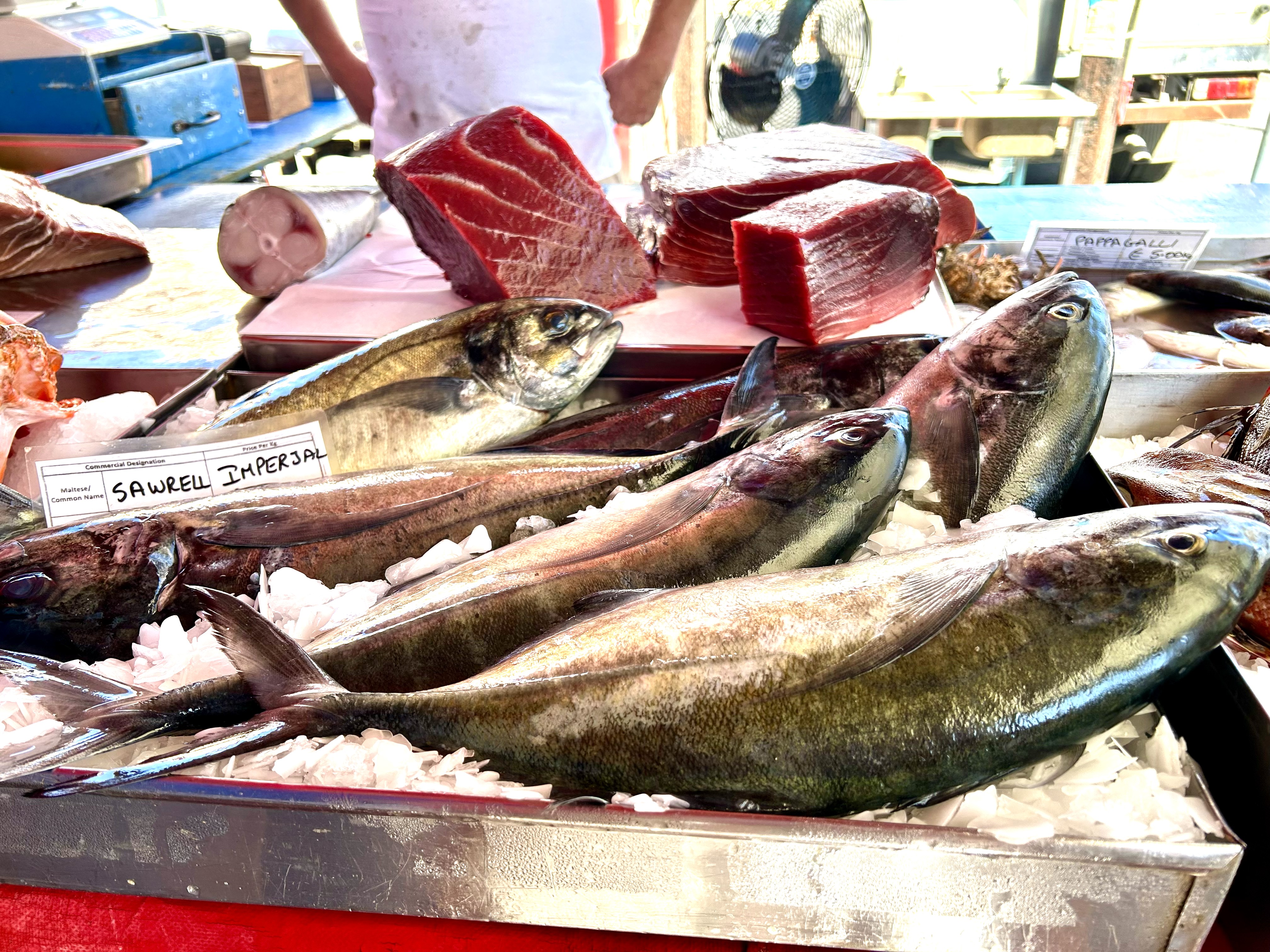
Slabs of tuna meat and fresh fish are piled high on tables with stallholders holding up prized catch for consideration. You have to get in quick for the best selection. Nearby restaurants sell the day’s catch and are worth seeking out. We tried grilled local fish and mussels poached in tomato broth which were both delicious.
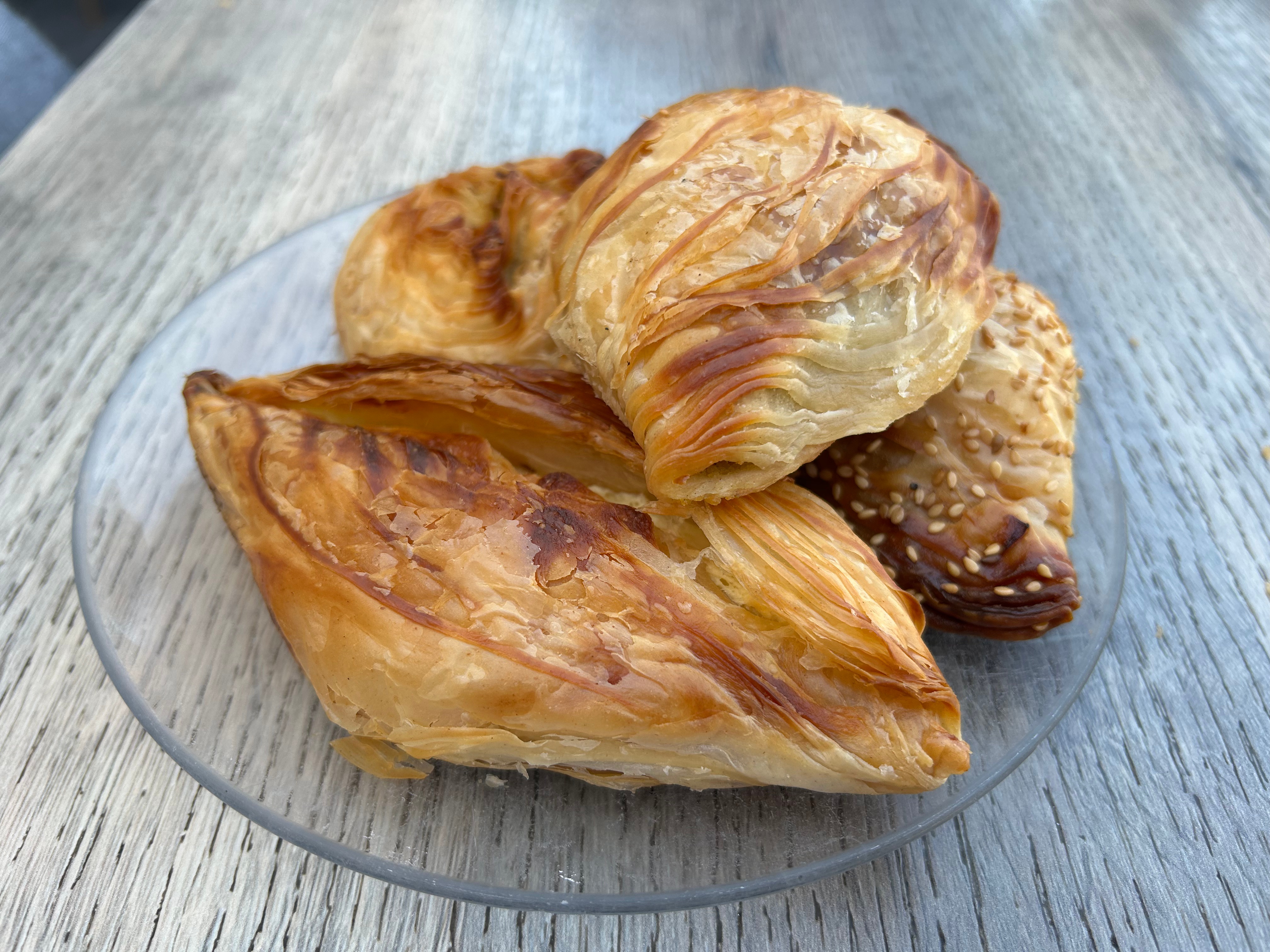
Pastizzi
Obviously, I couldn’t go to Malta and not try its iconic pastizzi. I hunted down the best, generally acknowledged to be from Is-Serkin in Rabat.
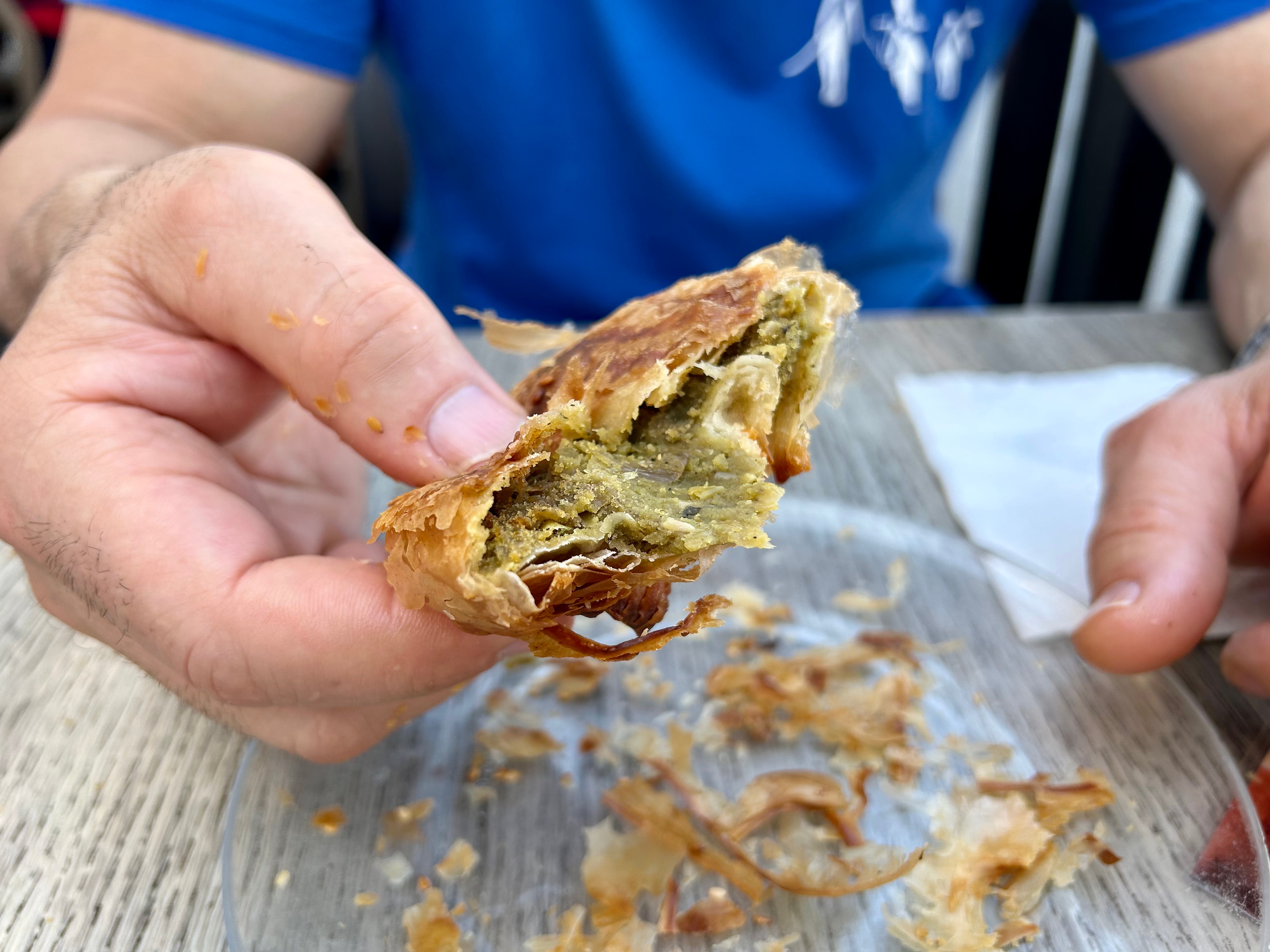
Their menu is simple but classic with three traditional types of pastizzi only: cheese, pea and anchovy. You won’t find new fandangled flavours here.
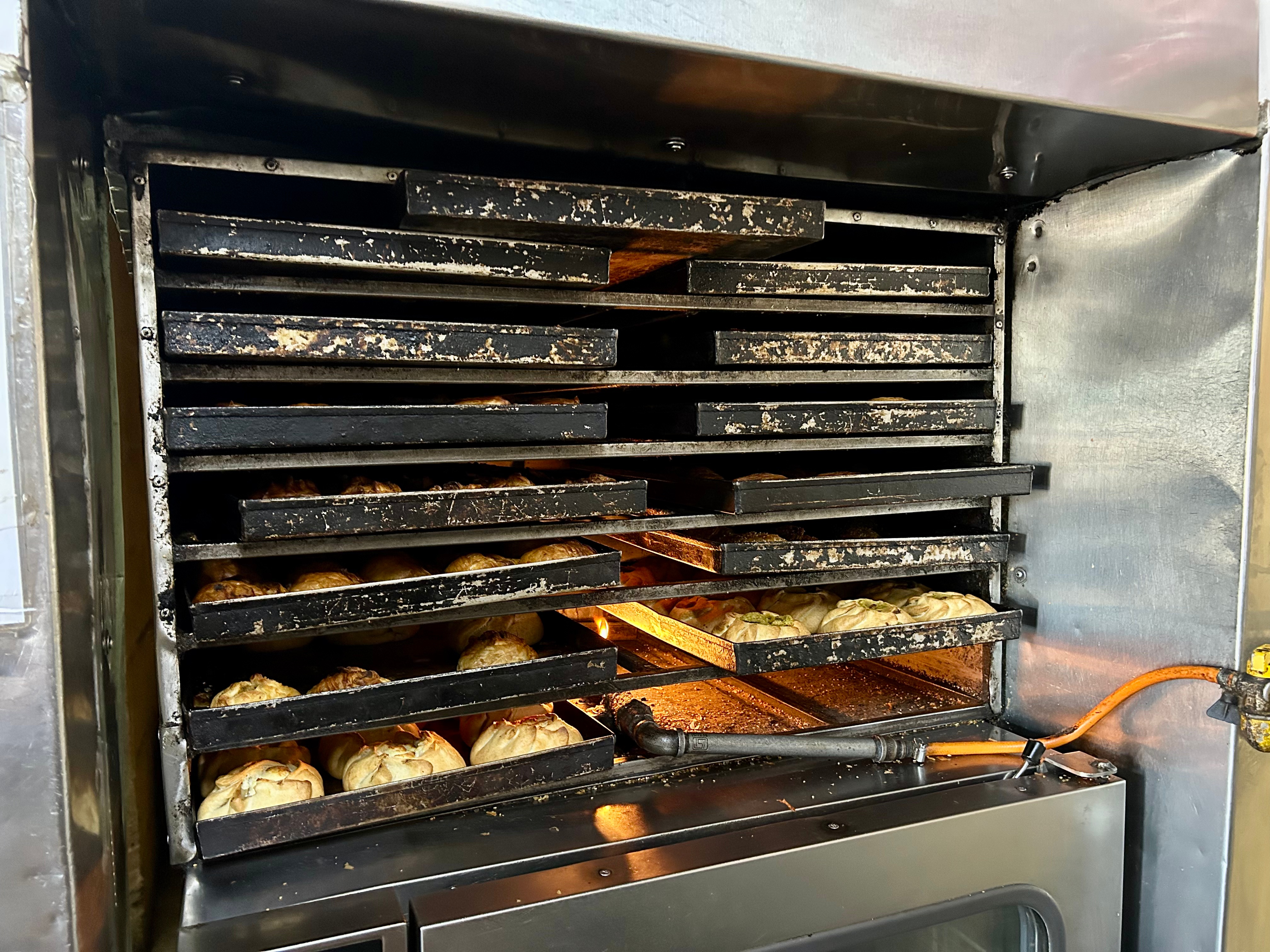
The ovens run hot, so you’re always guaranteed a fresh pastry. That means pastry that shatters upon each bite with tiny shards of crisp pastry exploding from your mouth and sharp salty fillings that ooze out. It’s hard to go past the classic cheese (which is more than a little similar to Greece’s tiropita) but I did enjoy the anchovy more than I thought I would and the pea was also delightful.

While at Is-Serkin I was intrigued by the qassatat they were also selling. These are close relatives to pastizzi with a thicker crust and ricotta filling. They are dense little objects and very filling. Definitely worth a try but I’m not surprised that its pastizzi that have achieved global fame versus qassatat.
Horse of course
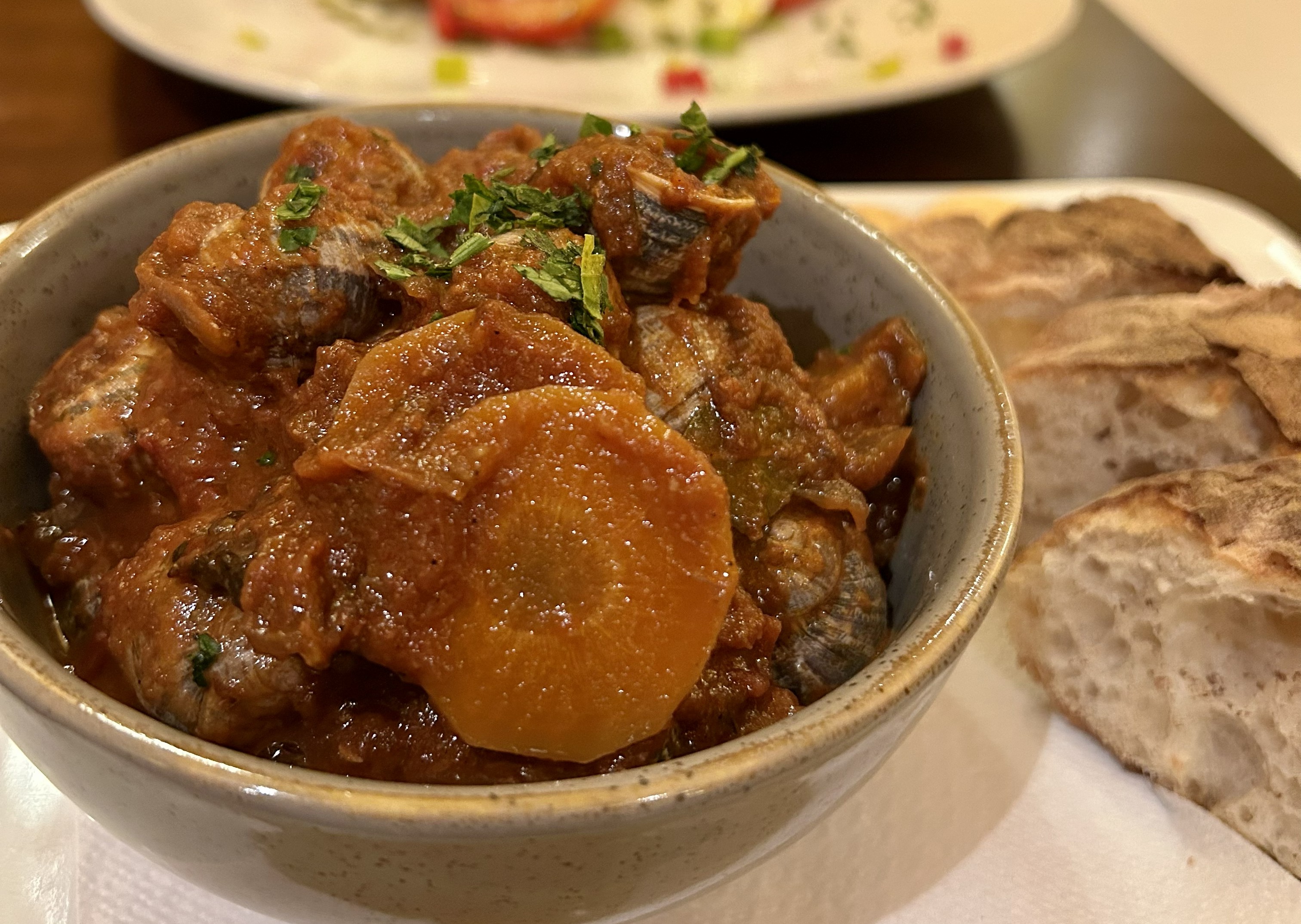
‘Beef with force meat’.
That did sound odd to me when I read it on the menu at Ta Kris, a traditional Maltese restaurant in Sliema we liked so much we dined at twice, but not entirely implausible. Knowing that bragioli was a quintessential Maltese dish I was excited to try this dish of slices of meat wrapped around mince beef and slowly cooked in red wine, herbs and a rich tomato sauce. It wasn’t until we were leaving that I thought to ask what force meat was.
‘Oh that’s actually horse meat. It’s a typo.’
Horse meat! That is not what we expected. Given horse meat is not a thing in Australia at all, it’s always felt like a very covert ingredient to me even though it’s a traditional meat in Malta. I ate it once in Iceland, cooked as a thick steak on the barbie by my friend Siggi and it was, I’m afraid to say, delicious. I really did think we were eating beef in this dish so I can’t say the flavour gave away any clues.
Ftira
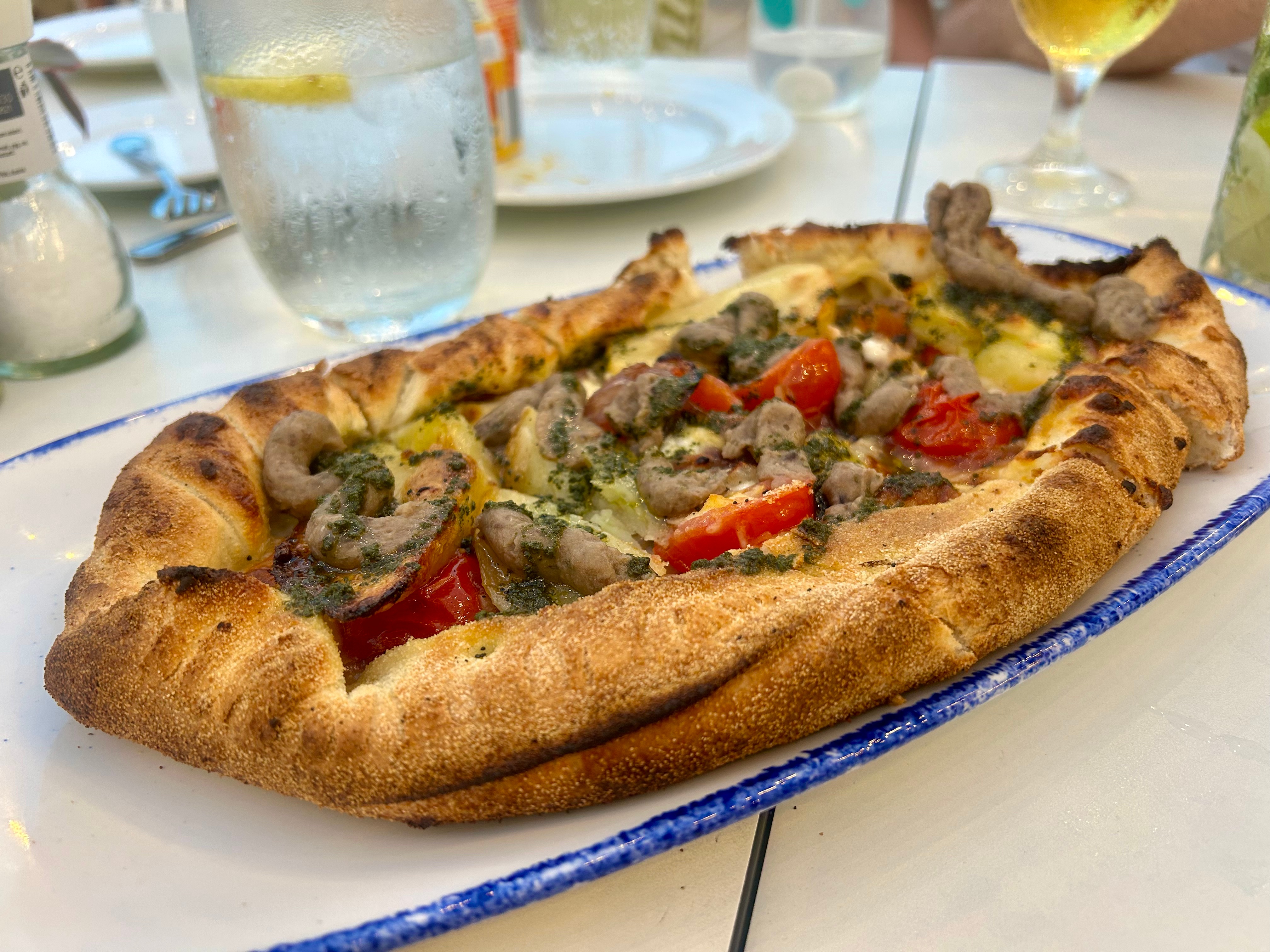
Sitting somewhere between classic Neopolitan pizza and Turkish pizza, ftira is a delicious dish of wood-fired flattened sourdough bread topped with an assortment of ingredients. Bread in general is an area where Malta overachieves – every single time I tried bread it tasted freshly made with amazing texture – chewy, crispy and full of flavour. This talent extends to their ftira which was so delicious I could have polished off the entire piece designed for sharing.
We tried ftira topped with onions, garlic, tomatoes, herbs, potatoes, cheese and fennel seeds in a Gozitan-style (i.e. from the island of Gozo). Ftira is also eaten like a sandwich. The method of making ftira dates back to the 16th century and is regarded as a pioneering part of Malta’s culinary history; in 2020 it was added to UNESCO’s Intangible Cultural Heritage list.
Pasta pie
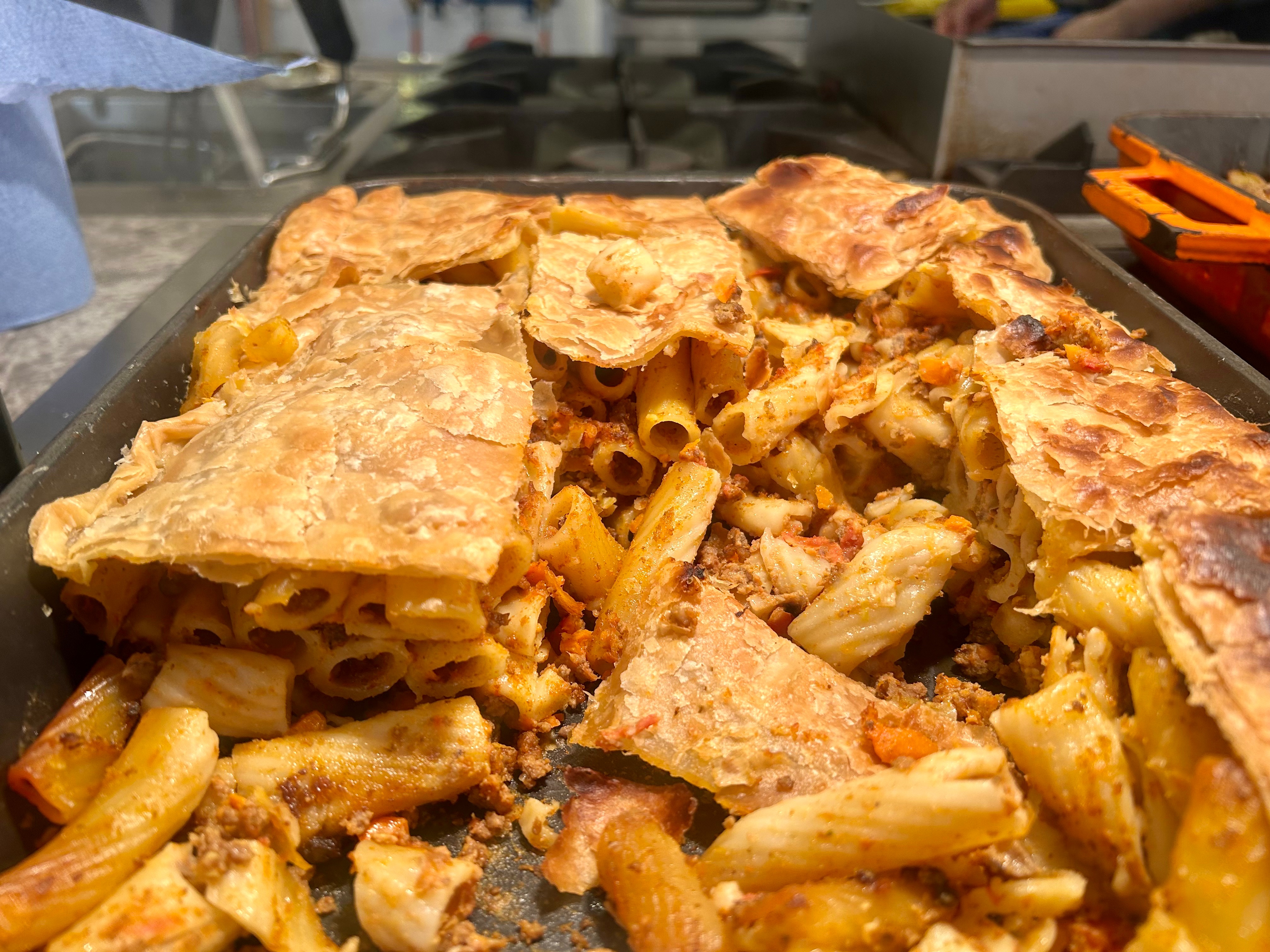
Timpana is a pasta bake with a twist; the pasta and Bolognese sauce are encased in puff pastry to resemble a pie. It loosely resembles Greece’s pastitsio or lasagna, but the pastry is a bit of a curve ball. It’s commonly eaten in squares as a hearty street food lunch. I found it a bit rich and personally don’t think the textures work together.
It’s known as timpano in Sicily and likely originated there.
- Asian foodie adventures
- Best of Australia
- Boozy travel tales
- Cheesy tales
- Cuba
- Delicious London
- Estonia
- European foodie adventures
- Family foodie tales
- Food in the Americas
- Food-themed parties
- Foodie collections
- Greek foodie traditions
- Marvellous markets
- Sweet stories
- Sydney (and surrounds) food adventures
- Travel like a foodie
- Uncategorized
 thefidgetyfoodie